There’s so much going on in the world right now to the point that it feels like you are drowning when you open your phone and see the endless stream of news. Death, bombings, affordability, artificial intelligence, government policies, global leadership and so much more — it’s all intertwined in this horrible cascade of what feels like an unstoppable wave crashing into us.
It’s fair to feel overwhelmed, hopeless and stressed about everything. You may be asking yourself, “What the hell can I even do?” And my answer to that question is literally anything. Look around you and find issues in your local community that you can fix, and find groups that you can take action with. Because doing something, no matter how small, is better than doing nothing.
I want to make it clear that I am very new to activism. While I have always held my opinions in line with everything I just listed, actually acting upon those beliefs and advocating for the change I want to see has been a stressful, challenging, but ultimately fulfilling experience from which I am continuing to learn and grow. I’ve met incredible people, joined several organizations and done what I can in my local communities to support the changes I want to make.
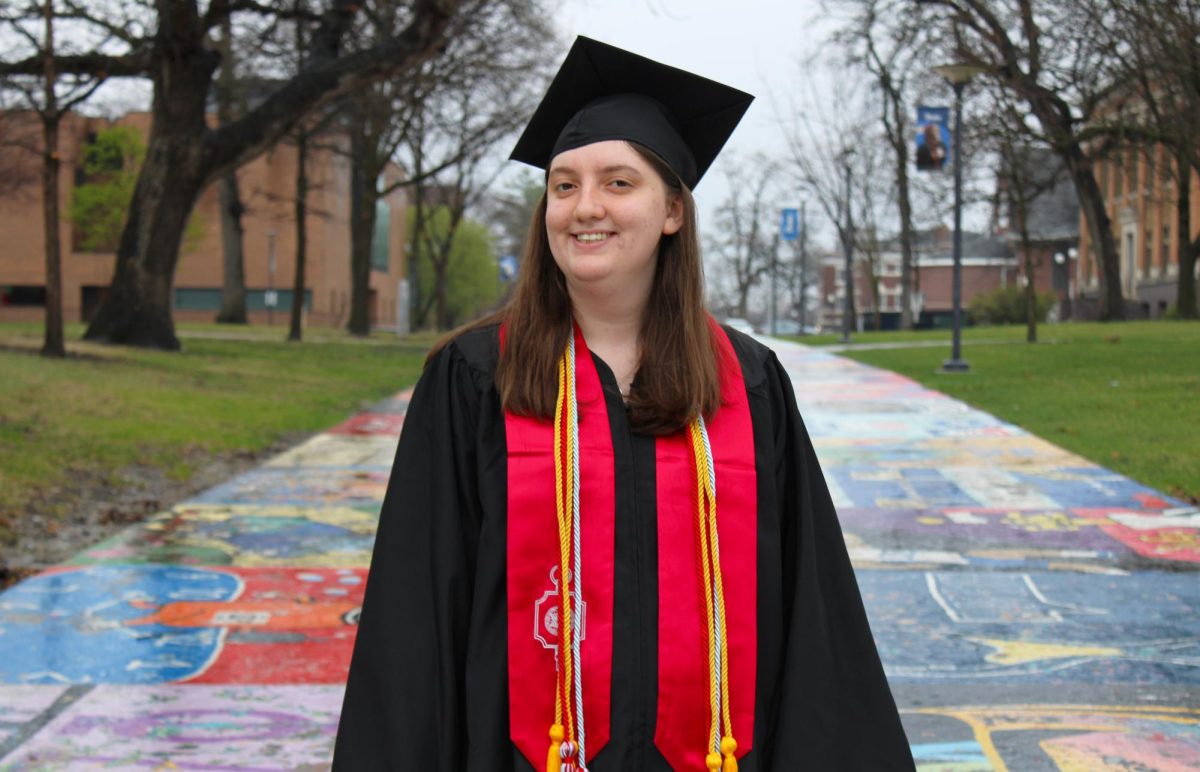
I was initially inspired by my attendance in Minneapolis at the protest of Renee Good’s murder. As I was marching through the streets with like-minded people from all different backgrounds, getting cheered on by onlookers, I decided that I couldn’t let this be a one-time thing. I’m a 20-year-old university student; the world’s future is on the line, and we live in a time where getting involved in activism is easier than ever.
We have access to unlimited resources online to stay informed on current events, and communities of thousands can be formed through email listings and video calls.
But activism isn’t just about attending one protest, patting yourself on the back and going online to repost the news. It’s about consistent, practical and often uncomfortable action. Even further, it’s about doing what you can with the resources available to you. Activism leads to organization which leads to real change.
Not everyone is able to attend protests. Not everyone has the time to join a local organizing group. And not everyone has the privilege to fight against the powers that be. This can be because of financial constraints, health concerns or the reality that someone’s racial and cultural background can put them at risk.
So, at the very least, I implore you to stay informed, stay safe and to show care for one another. We have been born into a system that promotes individualism and threatens the individual for speaking out against injustice when they do it alone. But by banding together, supporting every struggle and turning strangers into neighbors, we have the power to create the change we want to see in the world.
In my activist journey, I’ve focused on organizing against right-wing extremism. Some ways I’ve found are:
- Boycotting large corporations that financially support causes you oppose. For example, I don’t support Amazon because it supports Immigration and Customs Enforcement and cooperation with the Department of Homeland Security through web services. Finding alternatives, such as supporting local stores or getting creative with DIY projects, hurts these corporations’ bottom lines and forces them to reconsider where they want to put their support.
- Staying informed through reliable and non-partisan news sources and independent journalists. I use sources that have not been bought out by billionaires who support President Donald Trump. For example, David and Larry Ellison recently acquired CBS, among several other media organizations.
- Educating yourself on both U.S. and international history, politics and society. Understanding how we got here, what we’re up against, and what actions have been taken by those before us allows us to equip ourselves with the knowledge of the changemakers that came before us.
- Utilizing your creative skills in writing, speech or art to promote and shed light on the issues that affect us today; create posters, flyers, stickers, websites, etc. I guarantee you’ve seen these around whenever protests or community outreach events are happening. In order to build movement towards greater change, people need to know what’s even going on.
- Call and email your legislators about the policies and actions being taken against the American people and the rest of the world. Organizations like 5 Calls provide a streamlined and easily accessible avenue for this task. Calls from constituents are personal, pointed and a clear demonstration of the change people want to see.
- Signing up for an email list or blog through local activism groups or national organizations, such as Indivisible, to stay informed about activities near you and the latest news in policy and activism. Once you feel comfortable and informed enough to make a decision, consider joining local activism groups and actually putting boots on the ground in physical protest and civil disobedience.
- Consistently talking about the issues going on in our world and forming connections among those in your community with like-minded people who want to see a better world in the future. We can’t let these issues fade from our minds or else we willingly allow these issues to fester and grow until there’s actually nothing left for us to do to stop it.
- Just being there for others and remembering to take care of yourself. Acts of kindness, compassion and sincerity can go a long way to building a community of hope, trust and love. A revolution without hope and healthy people is doomed to fail.
Therefore, I leave you with this. Drake University is a predominantly white institution attended by mostly middle to upper-class students, a majority of whom come from Iowa. Some people may not see the impact of global politics and why they should get involved in activism. But resources are plentiful for students as Drake is a prime environment for young minds and hearts to get informed, get passionate about the issues in our world, and then take what they’ve learned and put it into action.
Even further, Drake is located in the capital city of Des Moines. Students are right next door to where the politicians make the decisions that impact them.
To be able to say, “Oh well, that doesn’t really affect me” is a slap in the face to everyone who these issues do affect, and to those who are doing everything they can to fight for what’s right. Because eventually, those issues will affect you, and nobody will be there to help you. Because those who called for your help earlier will be long gone.